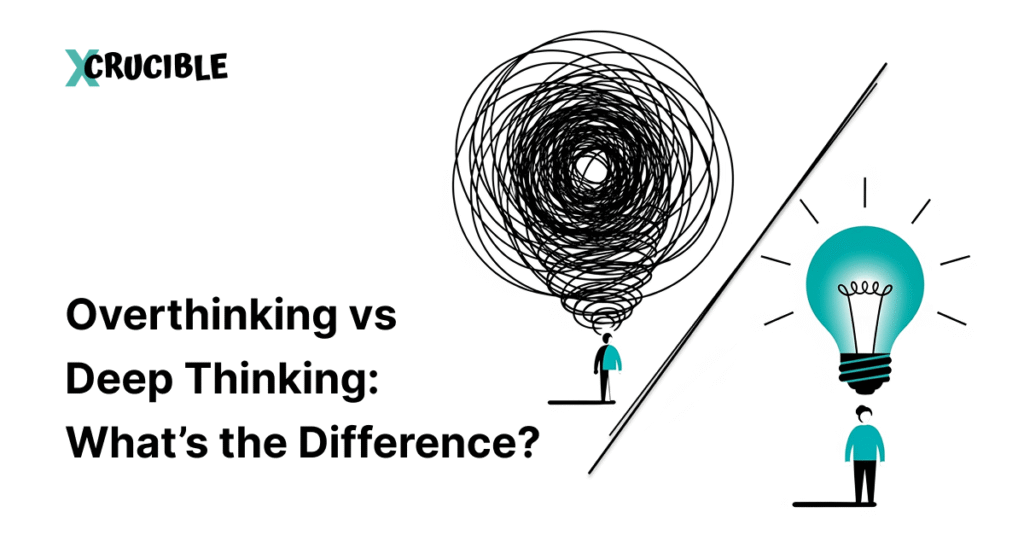

Ever felt like your thoughts are all over the place—too many ideas, worries, and to-dos fighting for attention? It’s exhausting, isn’t it?
You’re not alone. Many of us deal with this every single day. But what if there was a way to clear that mental noise and make space for calm, focus, and clarity?
That’s exactly what this guide is about. Let’s dive in.
What Does Mental Clutter Mean?
Mental clutter is the overwhelming buildup of thoughts, worries, and unfinished tasks that crowd your mind and steal your focus.
Think of your mind like a desk. When the desk is neat, you can find what you need and get work done easily. But if it’s covered with papers, coffee cups, and random notes, everything takes longer and feels stressful. Similarly, mental clutter is the mental “mess” that builds up when too many thoughts compete for your attention.
This clutter isn’t always negative thoughts. It can be anything—unfinished tasks, worries about the future, reminders, or even ideas you haven’t acted on. When too many of these pile up, your mind feels crowded, making it hard to focus, make decisions, or simply relax.
Signs Your Mind Is Overloaded
How do you know if your mind is too cluttered? It’s not always obvious. Mental clutter doesn’t leave visible traces like a messy room—but it shows up in the way you think, feel, and act. Here are some common signs:
1. You find it hard to focus.
Your attention jumps from one thought to another, making even simple tasks feel complicated.
2. You overthink everything.
Small decisions—like what to wear or what to eat—feel exhausting because your mind won’t settle.
3. You struggle to remember things.
Forgetting deadlines, misplacing items, or losing track of conversations are red flags.
4. You feel mentally tired even after resting.
Sleep doesn’t refresh you because your brain is still “on” in the background.
5. You procrastinate or feel stuck.
When your mind is crowded, starting something new can feel overwhelming.
6. You feel stressed or anxious without a clear reason.
Cluttered thoughts create constant background noise, leaving you restless and uneasy.
What Causes Mental Clutter?
Mental clutter doesn’t just appear out of nowhere—it builds up over time. Here are some of the most common causes:

Constant Information Overload
From emails and social media to 24/7 news, we consume more information than our minds can process. This creates a constant stream of mental “tabs” left open.
Unfinished Tasks and Loose Ends
When you start projects but don’t complete them, your brain keeps holding on to them like open files, waiting for closure.
Too Many Choices
Ever felt exhausted just deciding what to eat or what to watch? That’s decision fatigue—another form of mental clutter caused by too many options.
Negative Thinking and Worry
Worrying about the future or replaying the past fills up mental space you could use for productive thinking.
Lack of Boundaries
Always saying “yes,” overcommitting, and trying to multitask adds unnecessary stress and clogs your mental bandwidth.
Digital Chaos
Too many open tabs, endless notifications, and a cluttered inbox can make your mind feel as messy as your screen.
The Science Behind
Ever wondered why your brain feels “full” when life gets overwhelming? It all comes down to something called cognitive load—the amount of information your brain can handle at once. When that load becomes too heavy, your mind struggles to focus and retain information.
Your working memory, which is like the mental space where you hold and process information, has a limited capacity. When it gets overloaded, your brain starts filtering poorly, which leads to stress, forgetfulness, and mental fatigue. In fact, research shows that mental clutter activates your brain’s stress response and releases cortisol, a hormone that further affects your ability to focus and make clear decisions.
Why Mental Clutter Holds You Back?
Imagine opening too many apps on your phone at once—everything slows down, the screen lags, and eventually, the battery drains fast. That’s exactly what mental clutter does to your brain.
It eats up your processing power, leaving you feeling sluggish, distracted, and drained. Decisions that should take seconds start feeling like heavy tasks. Creativity struggles to break through the noise because your mental RAM is already maxed out.
When your mental space is occupied by what-if scenarios, unfinished to-do lists, and self-doubt, there’s little room left for creativity or growth. Clearing that space isn’t just about feeling better—it’s about unlocking the potential you already have.
How to Declutter Your Mind: 10 Practical Ways
Decluttering your mind is about simple, intentional actions that create mental breathing room. Here are 10 practical strategies you can start today:

Create a Thought Parking Lot
Ever feel like your brain keeps circling the same thoughts? Park them. Keep a small notebook or use an app to jot down ideas, worries, or reminders. Knowing they’re safely stored frees your brain from looping.
Give Your Thoughts a Title
When your mind feels chaotic, try labeling each thought like a book chapter—Work Stress, Family Plans, What’s for Dinner. This simple act organizes the clutter into neat mental folders, making it easier to handle one at a time.
Practice the Single-Task Rule
Multitasking is mental clutter disguised as productivity. Pick one task, mute all distractions, and focus on it entirely. Single-tasking is like vacuuming your brain in real time.
Practice Delayed Thinking
Instead of solving every problem instantly, assign a time later in the day for deep thinking. This creates mental space in the present without ignoring important issues.
Adopt a Digital Detox Hour
Instead of a full day off (which feels impossible), pick one hour daily to go screen-free. During this time, let your brain breathe without constant pings and scrolls. Even 60 minutes of digital silence can feel like a reset button.
Schedule Empty Time
We often schedule tasks, but rarely schedule “nothing.” Block 15 minutes in between your tasks for pure emptiness—no phone, no work, no chores. These mental white spaces help your brain process and reset.
Adopt a No-Replay Rule
Stop mentally replaying conversations or mistakes. When you catch yourself doing it, say, “That chapter is closed.” This mental boundary keeps your brain from turning into a broken record.
Reset with Micro-Pattern Breaks
Do something totally out of routine—brush your teeth with the opposite hand, change your chair position. These small disruptions snap your brain out of autopilot clutter mode.
Practice Micro-Decluttering Rituals
Before you leave a space—your desk, your car, even your bed—spend 60 seconds putting things in order. Physical clutter is mental noise. These micro habits prevent the buildup of chaos without overwhelming you.
Try Micro-Nature Bursts
Even looking at a plant for 30 seconds or stepping outside briefly can help lower cortisol levels and declutter thoughts without requiring a full break.
How to Keep Your Mind Uncluttered
A clear mind isn’t a one-time achievement—it’s a daily practice. Just like dust keeps settling in a clean room, new thoughts, distractions, and decisions will always flow in. The key is regular upkeep: filter what truly matters, pause before saying yes to commitments, and create small rituals to release mental buildup. Protect your mental space as carefully as you would your physical space.
Benefits of Decluttering Your Brain
Lower Stress Levels
Carrying unfinished thoughts and worries is exhausting. Decluttering brings calm and mental lightness.
Better Sleep
A mind free of loops and overthinking rests easier, leading to deeper, more refreshing sleep.
Sharper Focus
When your mind isn’t juggling a hundred thoughts, you can give your full attention to what truly matters.
Better Decision-Making
Mental clutter clouds judgment. A clear head helps you choose wisely and confidently.
Enhanced Emotional Balance
When your mind isn’t overwhelmed, you respond thoughtfully instead of reacting impulsively.
Boosted Productivity
With fewer distractions, tasks take less time and feel less overwhelming.
Improved Creativity
Space in your mind is like oxygen for new ideas. Less clutter = more room for innovation.
Clarity of Purpose
A clear mind makes it easier to align your actions with your goals, instead of getting lost in noise.
Boosted Confidence
When your thoughts are organized, you feel in control—and that builds self-assurance.
Real Life Example
Picture this: You open your laptop to finish an important report, but your brain has other plans. Did I confirm that appointment? What’s for dinner tonight? Should I reply to that WhatsApp message? One thought snowballs into ten, and before you know it, an hour is gone—yet your work hasn’t moved an inch. That’s mental clutter at play.
Now imagine a different scene: Before starting your day, you take five minutes to unload every lingering thought onto paper—tasks, worries, even random ideas. As you work, you focus on one thing at a time. When a stray thought pops up, you jot it down instead of entertaining it. Suddenly, your mind feels lighter. No buzzing, no fog. Just clarity, calm, and control.
This is what a decluttered mind feels like—organized, focused, and free to do its best work.
Wrapping Up
Your mind is your most valuable space—treat it like one. Mental clutter doesn’t just steal your focus; it robs you of peace, creativity, and control over your life. The good news? Small, consistent steps can keep your headspace clear. Whether it’s a brain dump, mindfulness, or setting mental boundaries, choose what works for you and stick with it.
Remember, a decluttered mind isn’t about having zero thoughts—it’s about giving every thought its rightful place so your energy flows where it matters most.
Start today. Your mind deserves the clarity you’ve been craving.